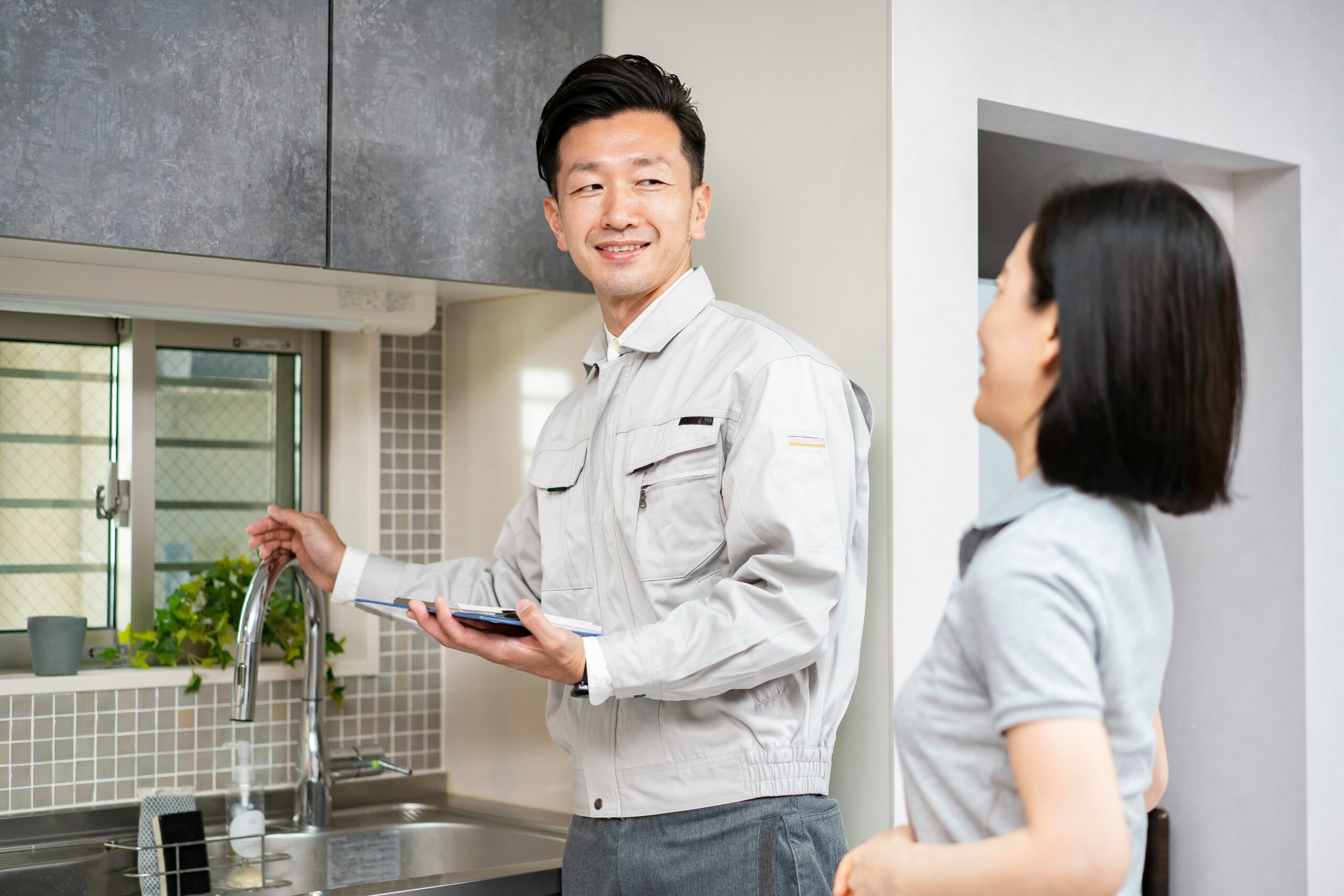
How a Plumbing Inspection Can Save You Thousands
No one wants to deal with leaky pipes, clogged drains, or surprise plumbing disasters. That’s why a plumbing inspection is one of the smartest things a homeowner can do—whether you’re buying, selling, or simply maintaining your home.
A thorough plumbing inspection can help you avoid costly repairs, catch small issues before they turn into major problems, and even increase your home’s value. Let’s break down everything you need to know.
What is a Plumbing Inspection?
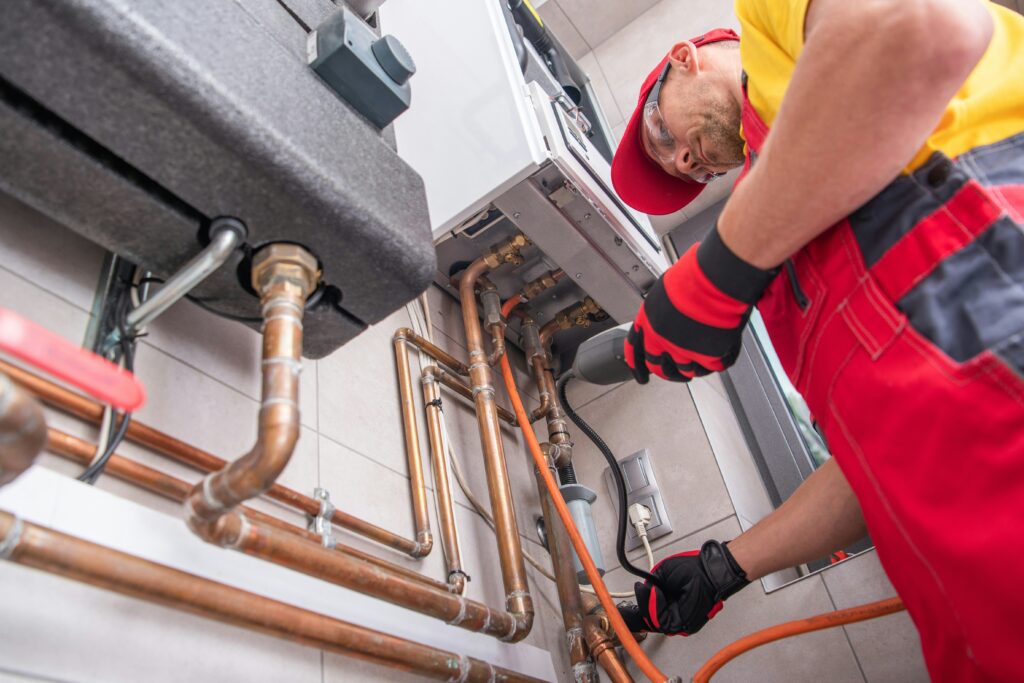
A home plumbing inspection is a detailed examination of your home’s water and drainage systems. A licensed plumber will inspect plumbing components inside and outside the house, ensuring everything works properly and there are no hidden leaks or potential issues.
What Gets Checked During a Plumbing Inspection?
Here’s what a professional will inspect:
✔ Pipes & Water Lines – Checking for leaks, corrosion, or pressure issues
✔ Faucets & Sinks – Ensuring proper water flow and drainage
✔ Toilets & Drains – Testing flush strength and checking for clogs
✔ Water Heater – Inspecting for leaks, rust, and efficiency
✔ Outdoor Plumbing – Checking hose bibs and irrigation systems
✔ Sewer & Drainage Lines – Detecting blockages or pipe damage
Signs You Need a Plumbing Inspection ASAP
Not sure if you need an inspection? Watch out for these red flags:
- Slow Drains – Water pooling in sinks or tubs could mean a blockage.
- Low Water Pressure – Weak flow from faucets might signal a leak or buildup.
- Unpleasant Odors – Musty or sewage smells could mean hidden plumbing issues.
- Water Discoloration – Brown or yellowish water may indicate rusting pipes.
- Noisy Pipes – Banging or whistling sounds may mean air pockets or loose pipes.
If you notice any of these warning signs, it’s time to schedule a professional plumbing inspection.
Plumbing Inspection Checklist for Homeowners
While a DIY plumbing check can catch small issues, a professional plumbing inspection goes much deeper. Here’s a checklist to spot common plumbing problems around your home.
Kitchen
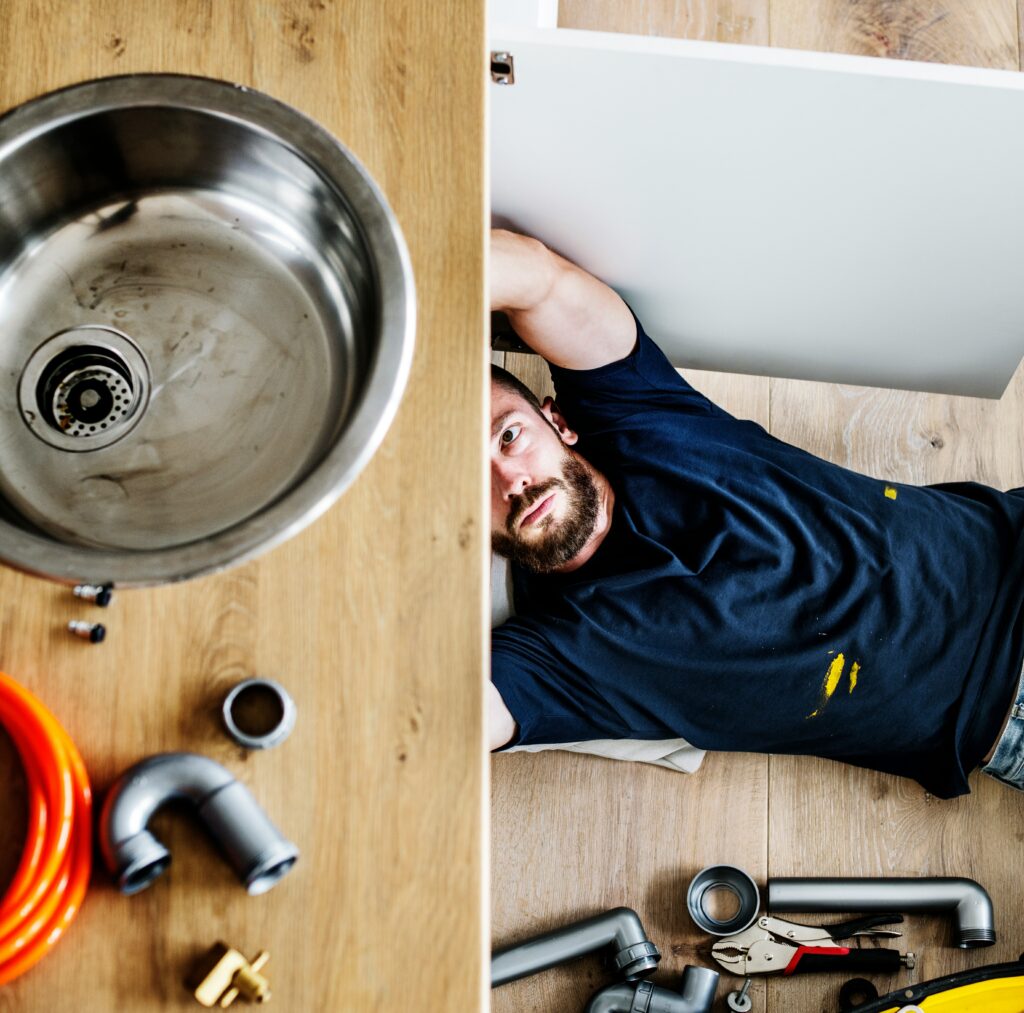
✔ Check sink drains for slow drainage or leaks
✔ Test faucets for drips or water pressure issues
✔ Inspect garbage disposal for odd noises or leaks
✔ Run the dishwasher to check for leaks near the base
✔ Look at the refrigerator water line for signs of wear or moisture buildup
Bathrooms
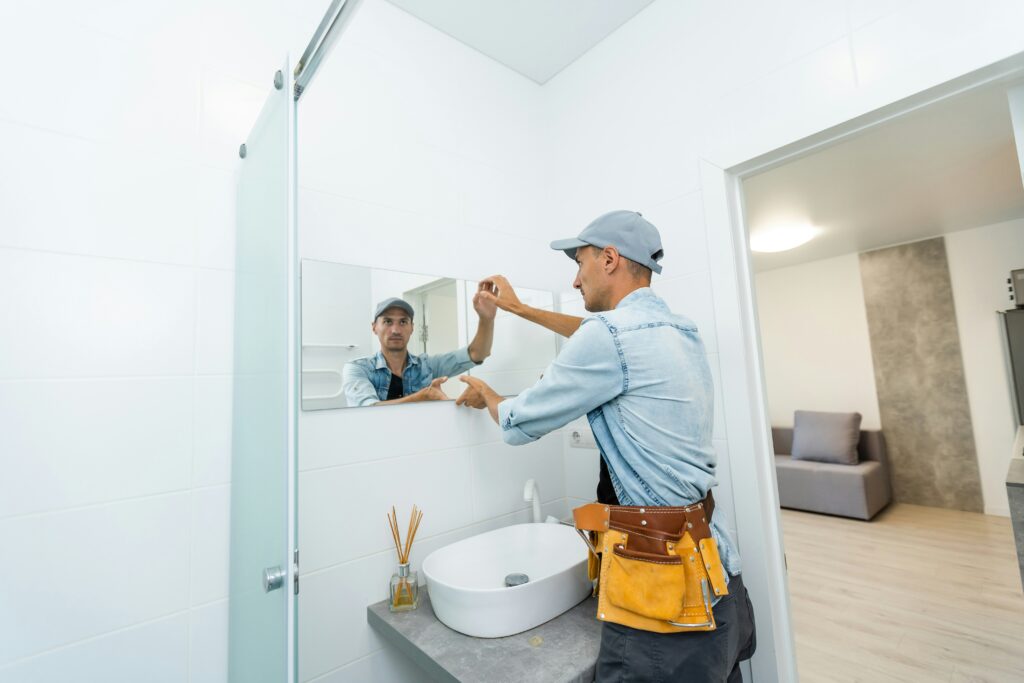
✔ Flush toilets and check for leaks at the base
✔ Inspect drains in tubs, showers, and sinks for slow water flow
✔ Test hot & cold water faucets for leaks
✔ Check caulk seals around tubs and sinks to prevent water damage
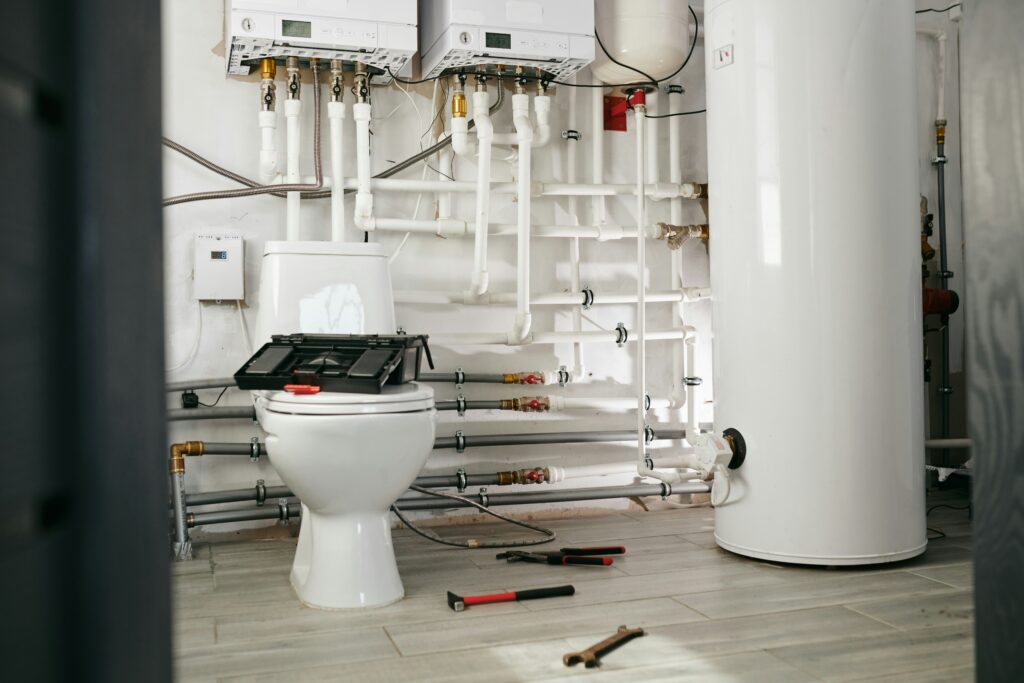
Basement & Utility Areas
✔ Inspect the water heater for rust, leaks, or pressure valve issues
✔ Test the sump pump to ensure proper operation
✔ Check washing machine hoses for cracks or bulges
✔ Look for standing water near drain lines or under-floor drainage
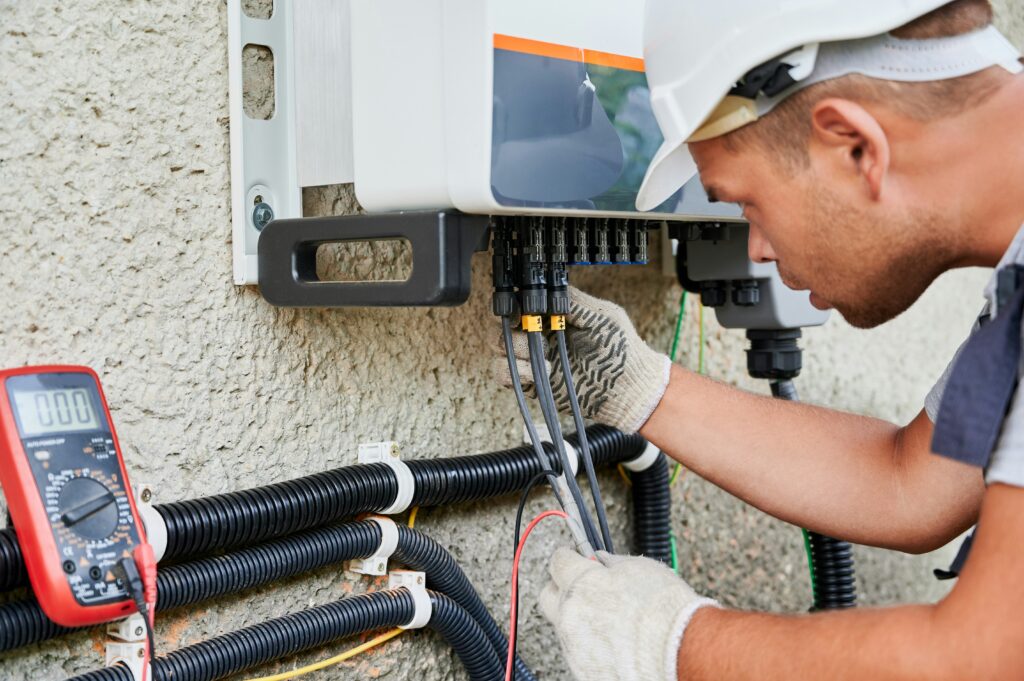
Outdoor Plumbing
✔ Check outdoor faucets for leaks when turned on/off
✔ Inspect irrigation systems for leaks or poor water flow
✔ Monitor the water meter for unusual activity (could indicate hidden leaks)
Types of Plumbing Inspections
Not all plumbing inspections are the same. Here’s what you can expect:
1. Visual Inspection
A plumber checks all visible plumbing components for leaks, rust, or drainage issues.
2. Camera Inspection
A small camera is fed into pipes to detect hidden blockages, cracks, or sewer problems—especially useful for older homes.
3. Water Pressure Testing
Using a pressure gauge, a plumber ensures water flow is within normal levels and detects any potential leaks.
How Much Does a Plumbing Inspection Cost?
Investing in an inspection now can prevent expensive plumbing emergencies later.
| Service | Average Cost |
|---|---|
| Basic Plumbing Inspection | $200 |
| Camera Sewer Inspection | $300 – $500 |
| Unclogging Drains | $175 |
| Water Heater Repairs | $150 – $400 |
| Sewer Line Replacement | $7,000+ |
Worried about unexpected plumbing costs? Schedule a professional home plumbing inspection today and get ahead of potential issues.
When Should You Get a Plumbing Inspection?
Before Buying a Home – Avoid surprises by checking for leaks, sewer issues, and old pipes
Before Selling Your Home – Address any plumbing concerns to avoid last-minute buyer negotiations
Every 2 Years for Regular Maintenance – Prevent costly repairs and keep your plumbing in great shape
Immediately if You Notice Issues – Low water pressure, slow drains, or leaks should never be ignored
When to Call a Professional Plumber
Some plumbing issues require a licensed plumber to diagnose and fix the problem.
- Constant Leaks – If DIY fixes don’t stop a leak, it could be a sign of corroded pipes.
- Sewer Odours – A bad smell from drains may indicate a blocked or cracked sewer line.
- Water Heater Trouble – Rusty water or inconsistent temperature can mean it’s time for repairs or replacement.
- Burst Pipes or Flooding – Shut off your water supply and call a plumber immediately.
Don’t wait for a plumbing emergency to strike. Call Brooksey’s Services today for expert plumbing inspections and repairs.
Looking to buy or sell a home? Work with trusted real estate experts:
Remax Success Realty – Find your dream home with top agents.
Vieira Real Estate – Expert real estate services to guide your next move.
Frequently Asked Questions
How long does a plumbing inspection take?
A standard plumbing inspection typically takes 60 to 90 minutes, depending on the size of your home and the complexity of your plumbing system. If additional services, such as a camera sewer line inspection, are needed, the inspection may take up to 2-3 hours.
How often should you check your plumbing?
It’s recommended to check your plumbing system at least once a year to catch minor issues before they turn into costly repairs. However, for older homes (40+ years old) or homes with frequent plumbing issues, a professional plumbing inspection every 1-2 years is ideal.
How often should I have my water heater inspected?
Your water heater should be inspected annually to ensure it’s functioning efficiently and safely. During an inspection, a plumber will check for leaks, sediment buildup, corrosion, and pressure valve issues. Regular maintenance can extend the life of your water heater and help prevent unexpected breakdowns.